Preventing fraud in AI driven loyalty program
Preventing fraud in AI driven loyalty program
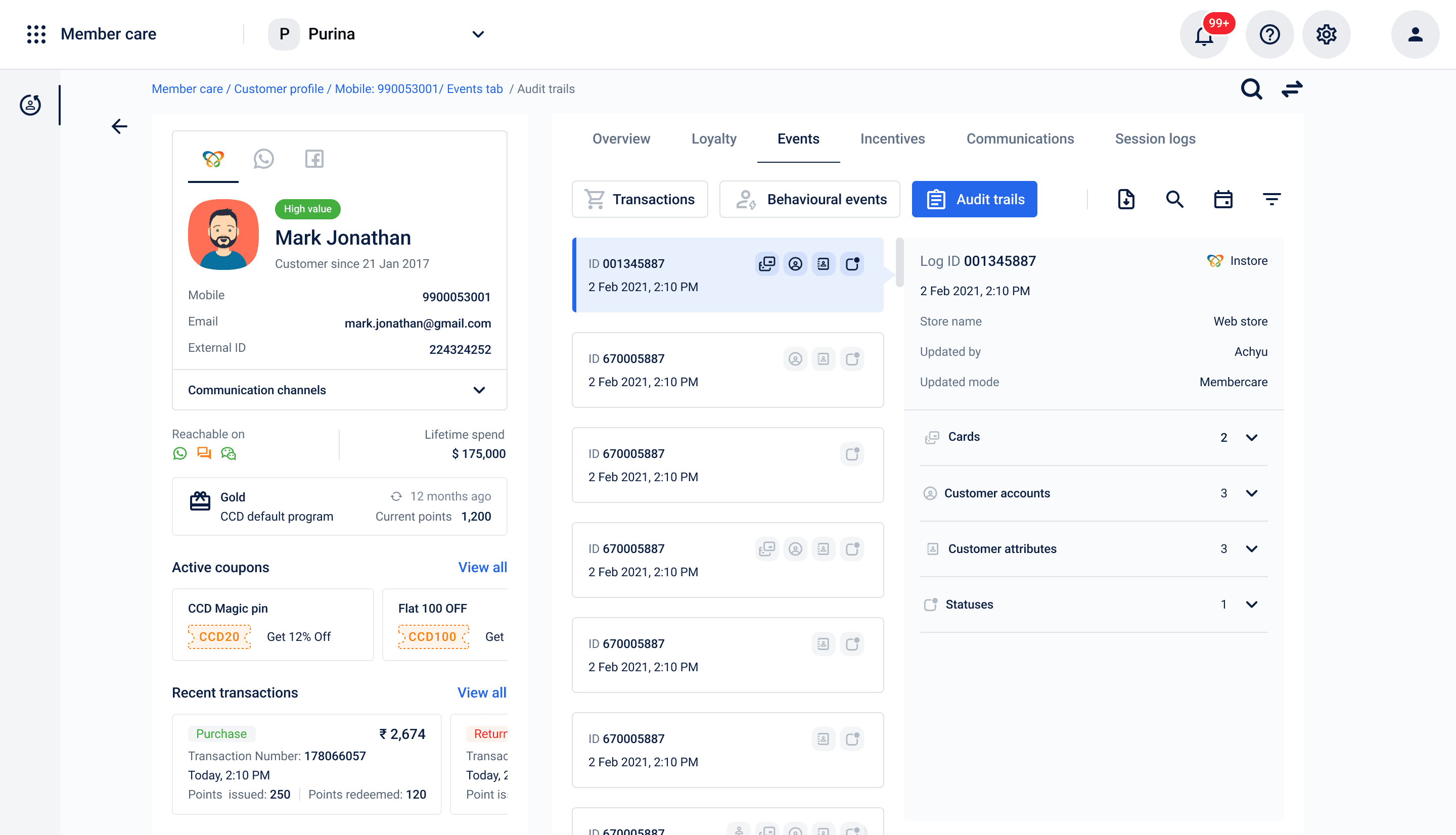
Designing a request management platform that would help customer executives quickly and confidently verify loyalty reward claims. By streamlining the review process with efficient approval and rejection workflows, the platform aimed to reduce fraudulent claims, maintain trust in the rewards program, and help executives handle large volumes of requests with speed and accuracy.
Designing a request management platform that would help customer executives quickly and confidently verify loyalty reward claims. By streamlining the review process with efficient approval and rejection workflows, the platform aimed to reduce fraudulent claims, maintain trust in the rewards program, and help executives handle large volumes of requests with speed and accuracy.
Preventing fraud in AI driven loyalty program
Designing a request management platform that would help customer executives quickly and confidently verify loyalty reward claims. By streamlining the review process with efficient approval and rejection workflows, the platform aimed to reduce fraudulent claims, maintain trust in the rewards program, and help executives handle large volumes of requests with speed and accuracy.
Balancing Flexibility and Trust in Receipt Verification

Customers of Purina could upload receipts to earn reward points through AI-powered OCR scanning. While manual edits helped fix errors from blurry or damaged receipts, some users exploited the flexibility by altering bill details for extra rewards — turning a simple loyalty feature into a trust and fraud-prevention challenge.

Balancing Flexibility and Trust in Receipt Verification
Balancing Flexibility and Trust in Receipt Verification


Customers of Purina could upload receipts to earn reward points through AI-powered OCR scanning. While manual edits helped fix errors from blurry or damaged receipts, some users exploited the flexibility by altering bill details for extra rewards — turning a simple loyalty feature into a trust and fraud-prevention challenge.
Customers of Purina could upload receipts to earn reward points through AI-powered OCR scanning. While manual edits helped fix errors from blurry or damaged receipts, some users exploited the flexibility by altering bill details for extra rewards — turning a simple loyalty feature into a trust and fraud-prevention challenge.



Problem breakdown
1.
AI accuracy limitation
OCR fails on blurry or low-quality receipts
Manual entry risk
Users can intentionally put incorrect values
2.
No verification system
No structured workflow for internal validation
3.
Design approach
I approached it as a decision-making system where the primary goal was to help customer executives make fast, accurate, and confident judgments under uncertainty.
At its core, the problem wasn’t UI — it was resolving conflicting data from multiple sources.
INPUTS
PROCESS
OUTPUTS
The visible gap
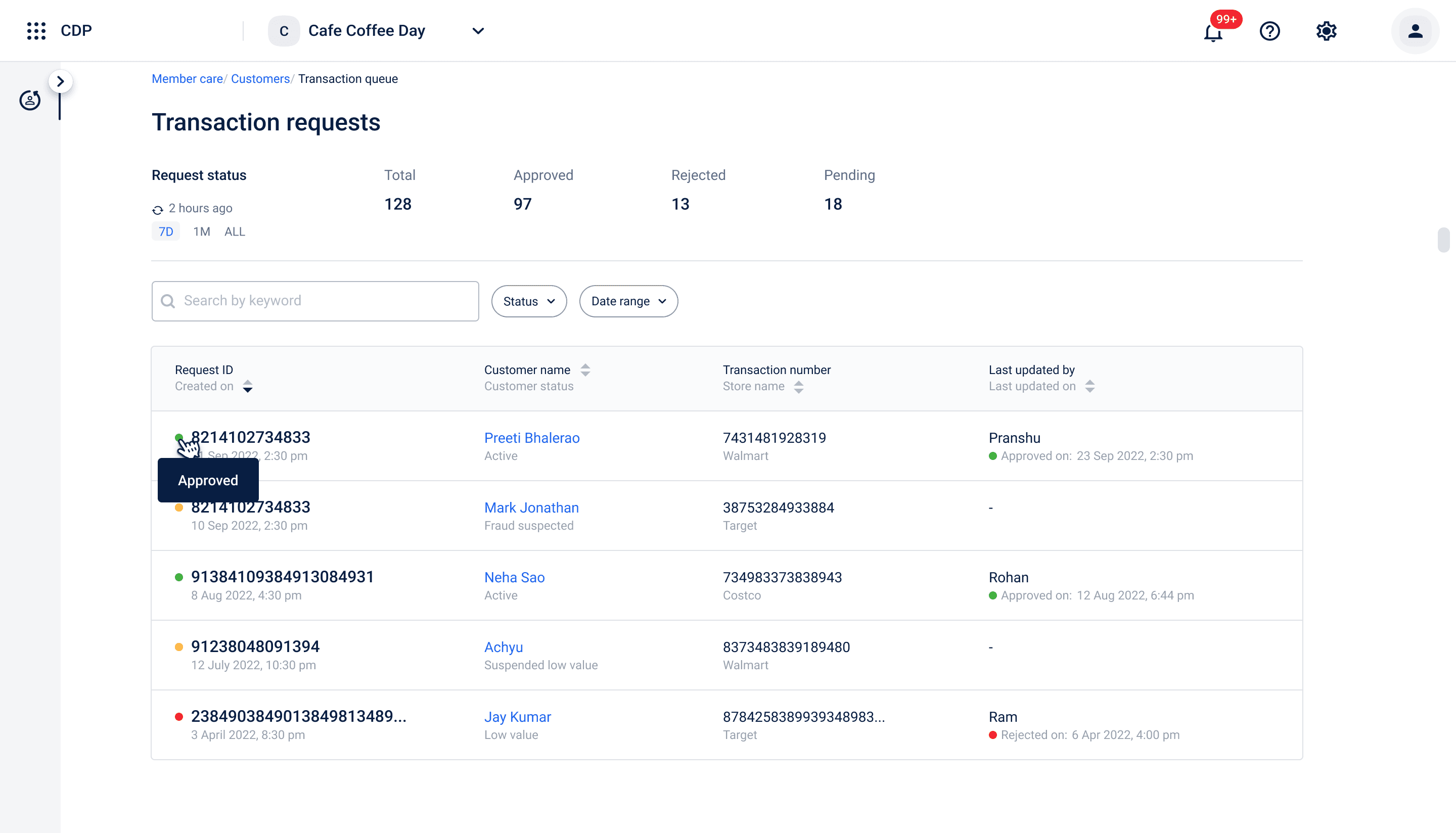
The problem statement was already narrowed and came with validation. So, I didn't need to invest more time in finding the pain points. While ideating the design, I already had the meta data available, so I knew what all data will come on the page and the focus was mostly on resolving the conflict of data. We also had a robust design system, so I directly started a 2 min quick rough sketch and then hi-fidelity UIs.
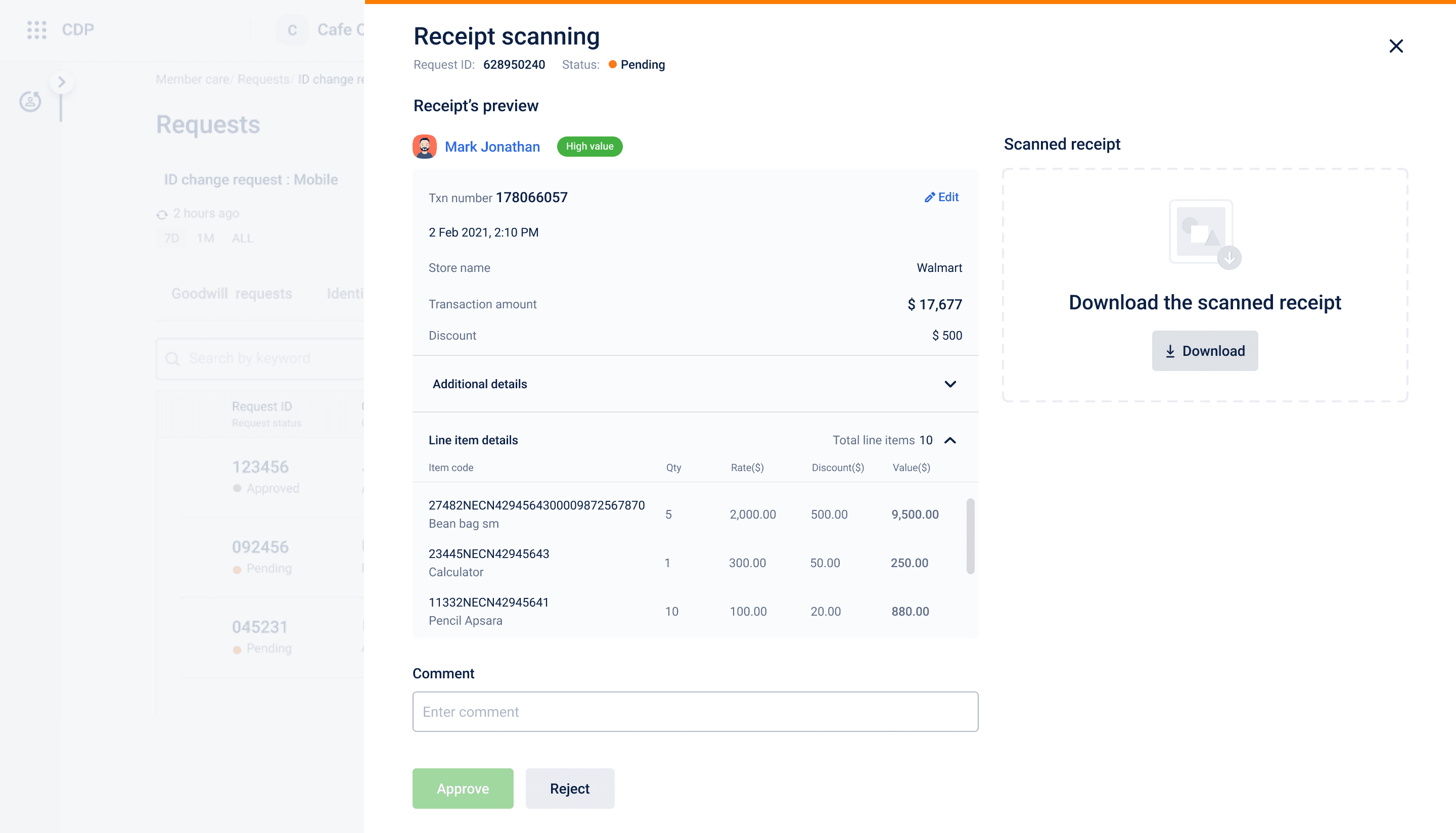
Validation by comparing receipt and data
Executives had to compare OCR data, user input, and receipts separately, leading to high cognitive load, slower decisions and errors. Hence, designed a unified validation screen with side-by-side receipt and transaction details, line-item level breakdown and receipt download for verification
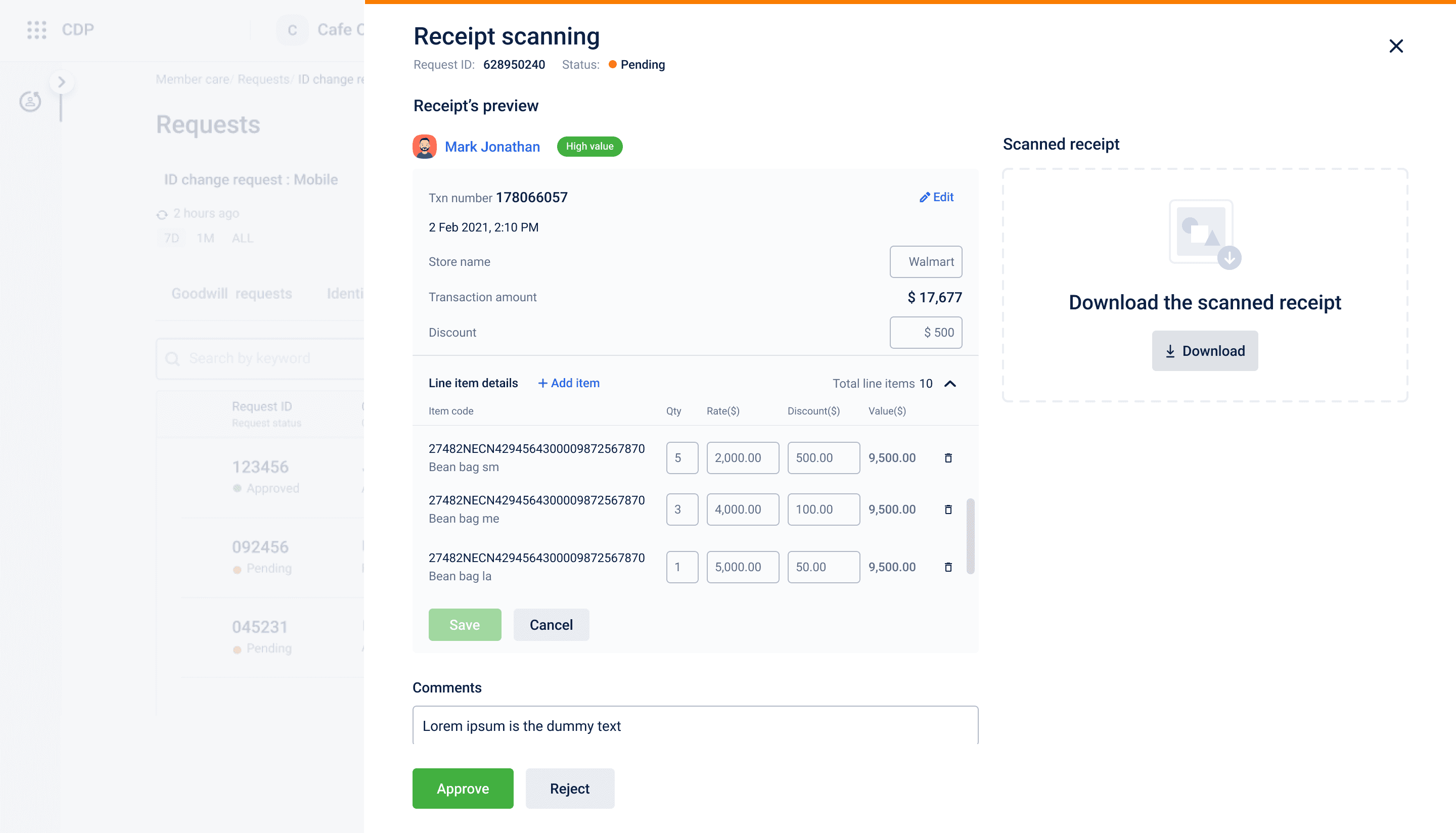
Error prevention by inline editing
Context switching slows down workflow and it was found that fraud often occurs at item level and total amount alone is insufficient. So, introduced direct editing with the validation screen and it made the corrections faster and made the experience seamless.
Link customer profile
Some customers might enter wrong data by mistake & that can lead to a bad experience, specially for genuine ones. Linked the customer profile to get more detailed info like member since or how many mistakes has been made previously, etc.
Impact
The new platform helped reduce loyalty claims by making it easier to verify receipt data and detect mismatched information. Customer executives were able to review and resolve request much faster by improving overall response time and reducing manual effort. The structured approval workflow also reduced customer support escalations and helped build greater trust in the loyalty program by ensuring reward points were assigned more accurately and fairly.
More works
Learning
This project taught me that designing for operations teams is very different from designing for consumers. In B2B products, clarity, efficiency, and decision-making matter more than engagement alone. It also reinforced the importance of systems thinking, where every workflow impacts operations at scale. Most importantly, I learned that trust is not just a technical problem — it is also a UX problem shaped by how clearly information is presented and verified.

Hard to look away?
Understanding real user needs, balancing business goals, and applying 7+ years of product design experience helps me craft experiences like this. If you wish to create something like this, reach out to me
@Portfolio Design
Problem breakdown
1.
AI accuracy limitation
OCR fails on blurry or low-quality receipts
Manual entry risk
Users can intentionally put incorrect values
2.
No verification system
No structured workflow for internal validation
3.
Design approach
Design approach
I approached it as a decision making system where the primary goal was to help customer executives make fast, accurate, and confident judgements under uncertainty. At its core, the problem wasn't UI. It was resolving conflicting data from multiple sources.
I approached it as a decision making system where the primary goal was to help customer executives make fast, accurate, and confident judgements under uncertainty. At its core, the problem wasn't UI. It was resolving conflicting data from multiple sources.
INPUTS
INPUTS
PROCESS
PROCESS
OUTPUTS
OUTPUTS
The visible gap
The visible gap
The problem statement was already narrowed and came with validation. So, I didn't need to invest more time in finding the pain points. While ideating the design, I already had the meta data available, so I knew what all data will come on the page and the focus was mostly on resolving the conflict of data. We also had a robust design system, so I directly started a 2 min quick rough sketch and then hi-fidelity UIs.
The problem statement was already narrowed and came with validation. So, I didn't need to invest more time in finding the pain points. While ideating the design, I already had the meta data available, so I knew what all data will come on the page and the focus was mostly on resolving the conflict of data. We also had a robust design system, so I directly started a 2 min quick rough sketch and then hi-fidelity UIs.
Validation by comparing receipt and data
Validation by comparing receipt and data
Executives had to compare OCR data, user input, and receipts separately, leading to high cognitive load, slower decisions and errors. Hence, designed a unified validation screen with side-by-side receipt and transaction details, line-item level breakdown and receipt download for verification
Executives had to compare OCR data, user input, and receipts separately, leading to high cognitive load, slower decisions and errors. Hence, designed a unified validation screen with side-by-side receipt and transaction details, line-item level breakdown and receipt download for verification
Error prevention by inline editing
Error prevention by inline editing
Context switching slows down workflow and it was found that fraud often occurs at item level and total amount alone is insufficient. So, introduced direct editing with the validation screen and it made the corrections faster and made the experience seamless.
Context switching slows down workflow and it was found that fraud often occurs at item level and total amount alone is insufficient. So, introduced direct editing with the validation screen and it made the corrections faster and made the experience seamless.
Link customer profile
Link customer profile
Some customers might enter wrong data by mistake & that can lead to a bad experience, specially for genuine ones. Linked the customer profile to get more detailed info like member since or how many mistakes has been made previously, etc.
Some customers might enter wrong data by mistake & that can lead to a bad experience, specially for genuine ones. Linked the customer profile to get more detailed info like member since or how many mistakes has been made previously, etc.
Impact
Impact
The new platform helped reduce loyalty claims by making it easier to verify receipt data and detect mismatched information. Customer executives were able to review and resolve request much faster by improving overall response time and reducing manual effort. The structured approval workflow also reduced customer support escalations and helped build greater trust in the loyalty program by ensuring reward points were assigned more accurately and fairly.
The new platform helped reduce loyalty claims by making it easier to verify receipt data and detect mismatched information. Customer executives were able to review and resolve request much faster by improving overall response time and reducing manual effort. The structured approval workflow also reduced customer support escalations and helped build greater trust in the loyalty program by ensuring reward points were assigned more accurately and fairly.
Learning
Learning
This project taught me that designing for operations teams is very different from designing for consumers. In B2B products, clarity, efficiency, and decision-making matter more than engagement alone. It also reinforced the importance of systems thinking, where every workflow impacts operations at scale. Most importantly, I learned that trust is not just a technical problem — it is also a UX problem shaped by how clearly information is presented and verified.
This project taught me that designing for operations teams is very different from designing for consumers. In B2B products, clarity, efficiency, and decision-making matter more than engagement alone. It also reinforced the importance of systems thinking, where every workflow impacts operations at scale. Most importantly, I learned that trust is not just a technical problem — it is also a UX problem shaped by how clearly information is presented and verified.
More works
More works
Transforming complex product search into effortless discovery
Transforming complex product search into effortless discovery
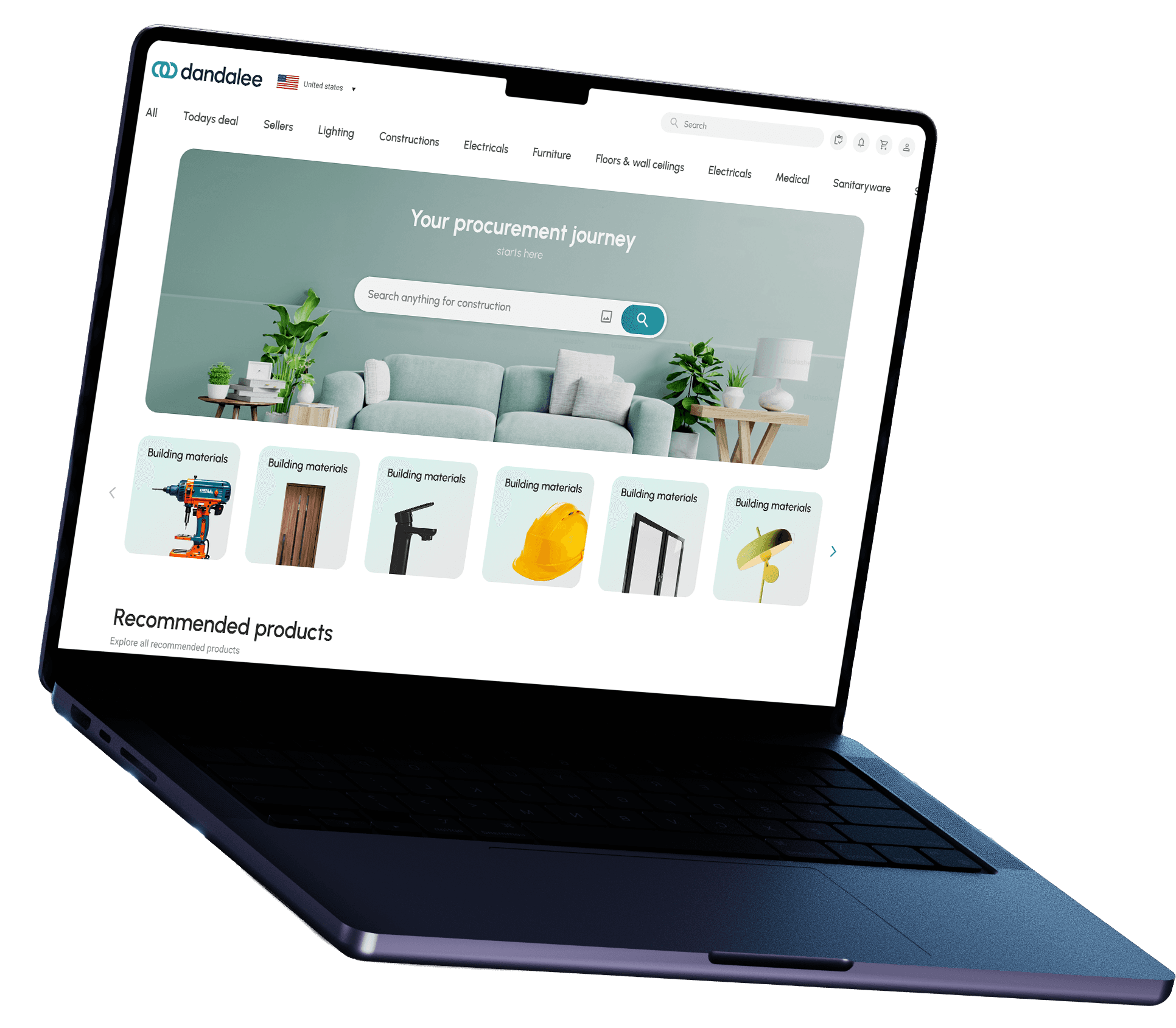

Led the project from 0 to 1 and reached to more than 100k MAU in just 2 months
Led the project from 0 to 1 and reached to more than 100k MAU in just 2 months

AI chat for MOHRE- A UAE government authority
AI chat for MOHRE- A UAE government authority
Reduced support dependency and improved task completion
Reduced support dependency and improved task completion