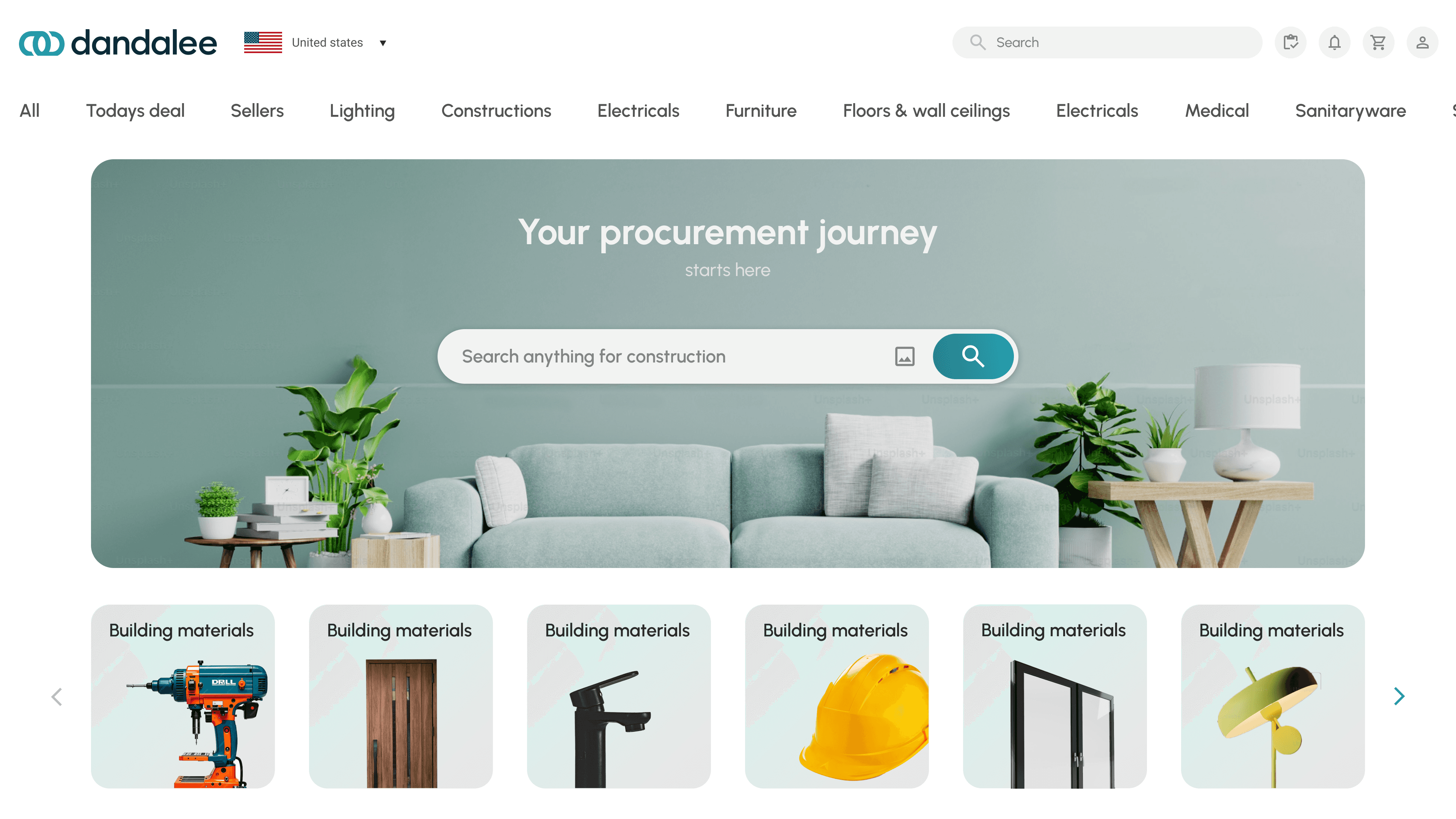
Building the marketplace that AEC* industry was missing
Building the marketplace that AEC* industry was missing
Building the marketplace that AEC* industry was missing
Building the marketplace that AEC* industry was missing
Designing a marketplace similar to Amazon for AEC industry where users can buy anything they want related to any construction. I focussed initially on reducing the effort required to navigate the product space and helping users discover the relevant products more efficiently
Designing a marketplace similar to Amazon for AEC industry where users can buy anything they want related to any construction. I focussed initially on reducing the effort required to navigate the product space and helping users discover the relevant products more efficiently
Designing a marketplace similar to Amazon for AEC industry where users can buy anything they want related to any construction. I focussed initially on reducing the effort required to navigate the product space and helping users discover the relevant products more efficiently
* Architecture, Engineering & construction
* Architecture, Engineering & construction
* Architecture, Engineering & construction
Challenges and solutions
Discovery without direction
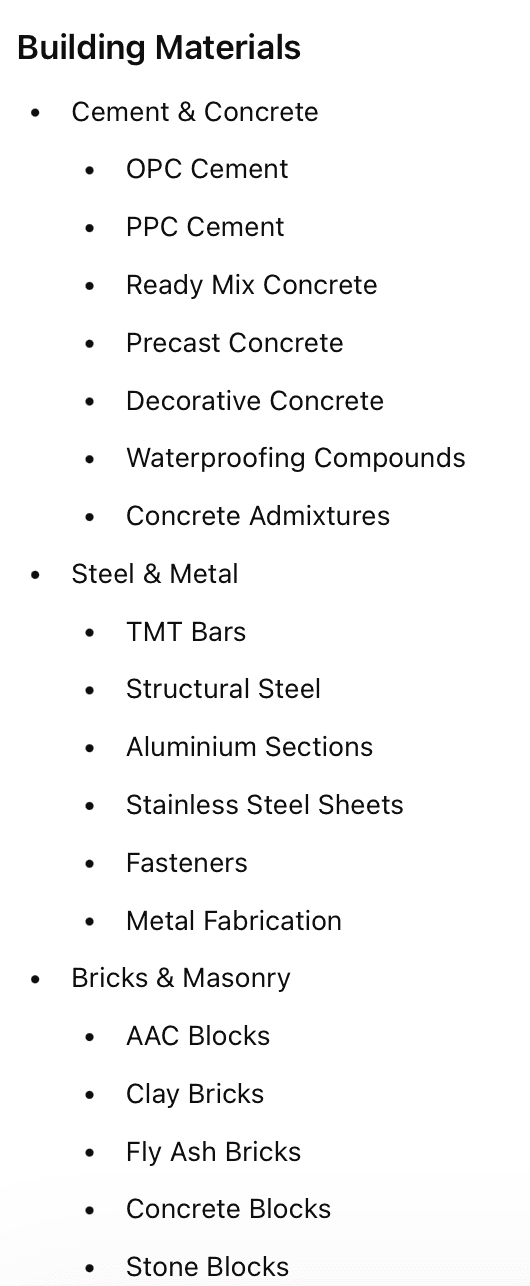
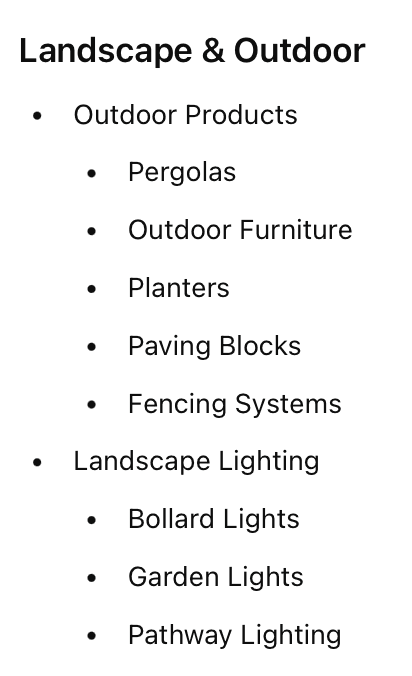
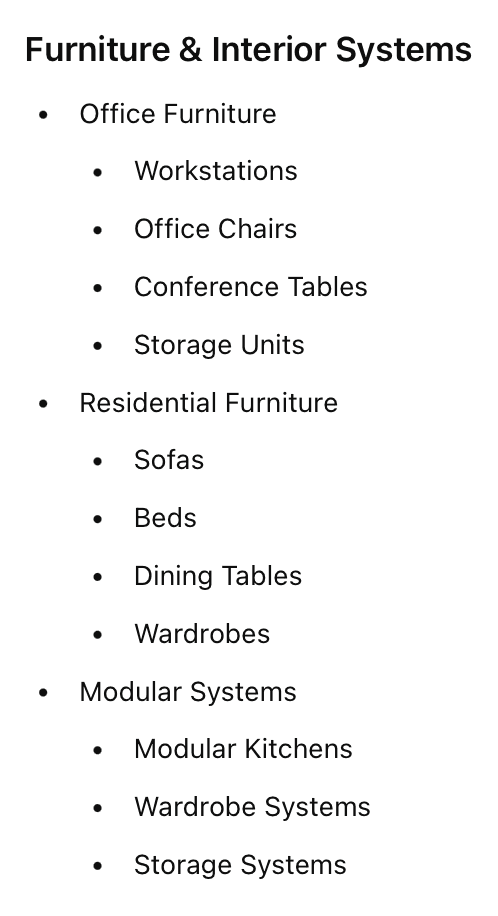
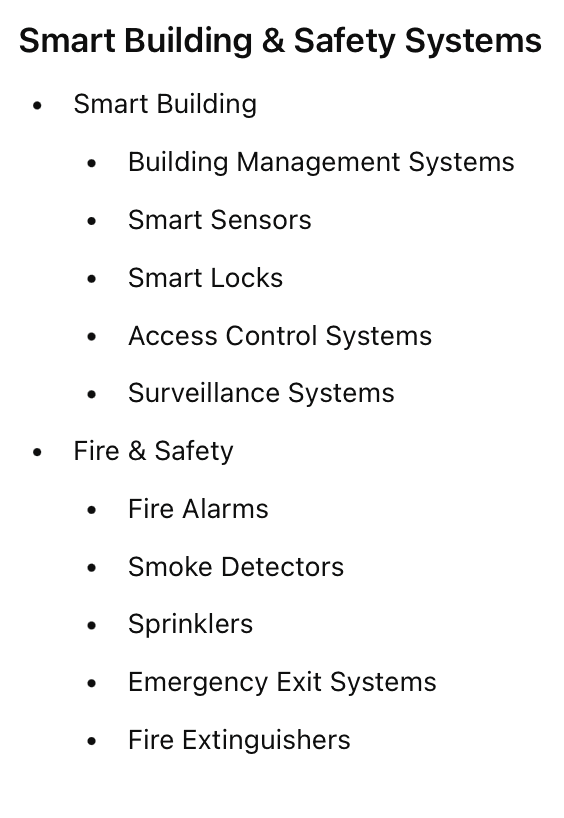
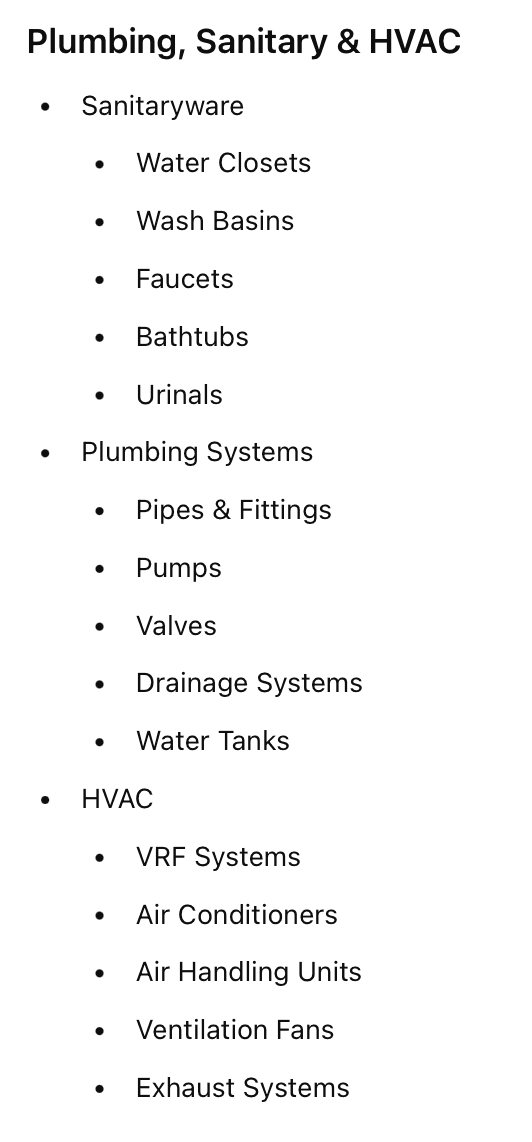
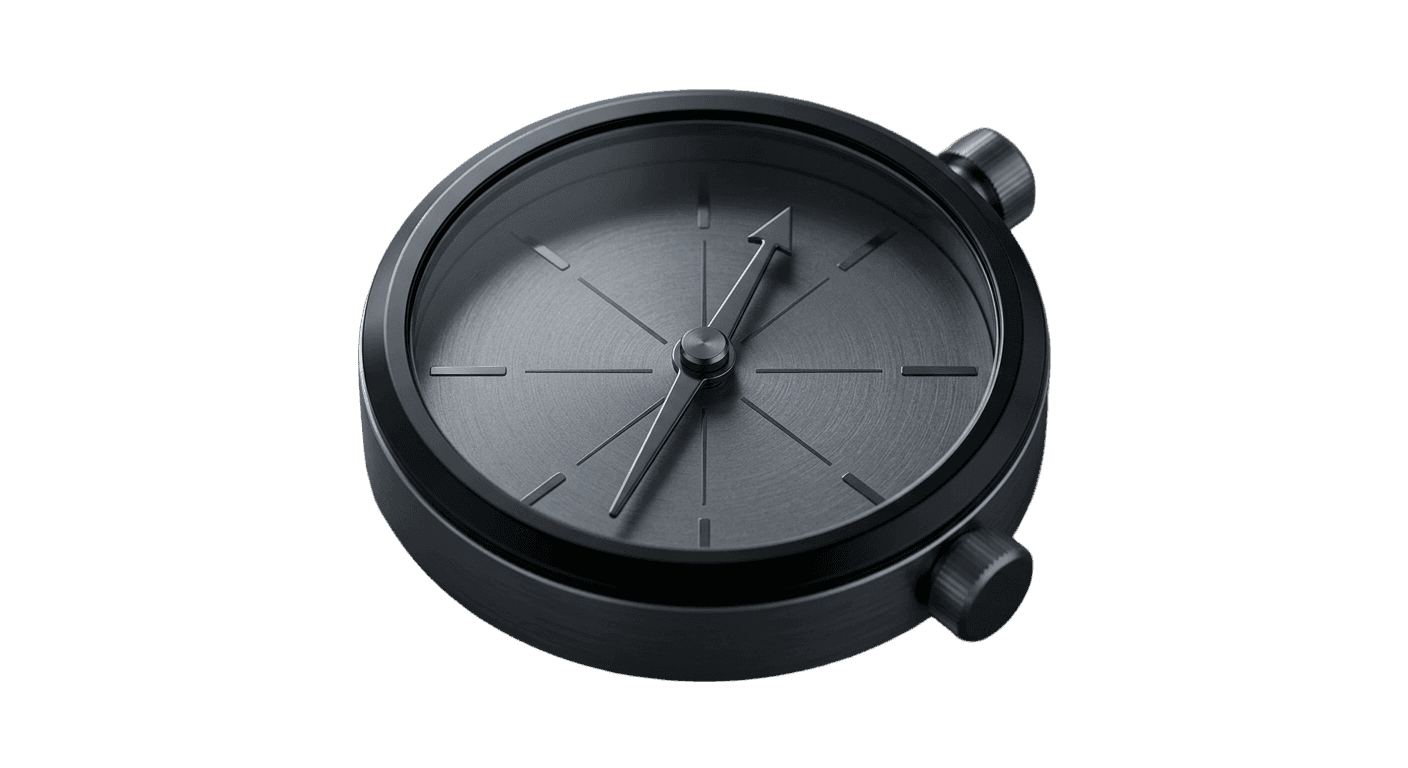
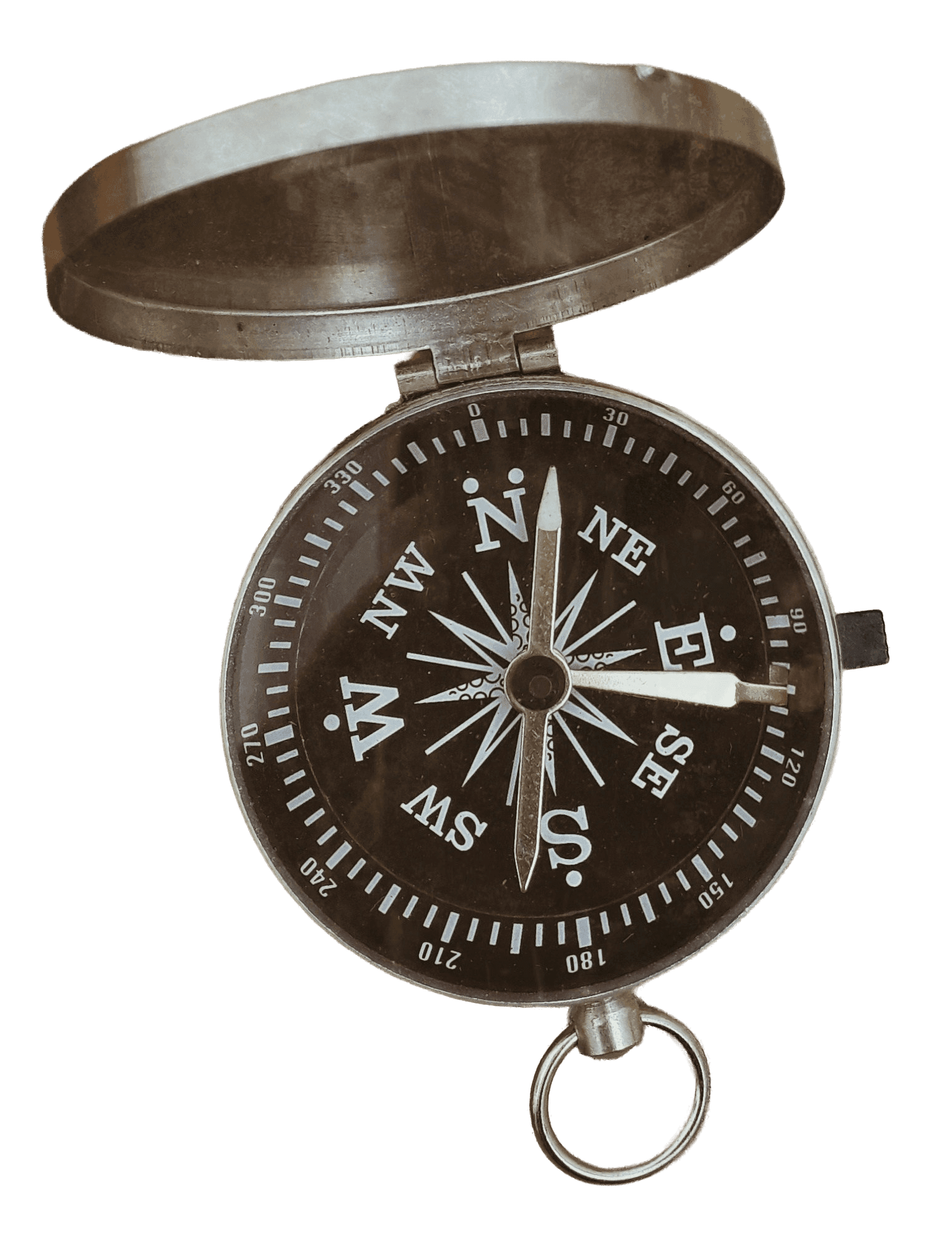
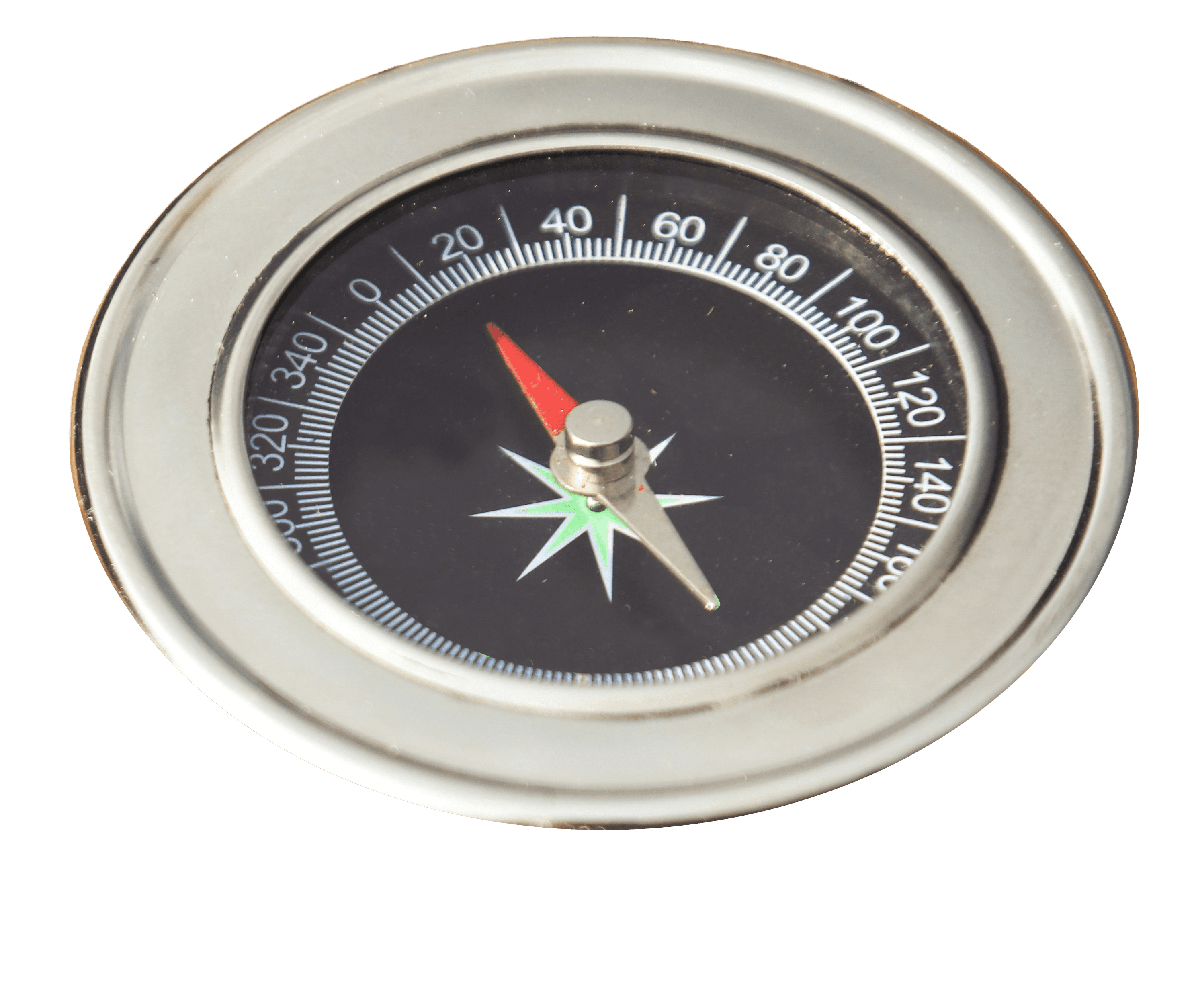
The product taxonomy was massive and spread across countless categories, formats and vendors. It was hard to find products with a certain specification, minimum order quantity, Bill of materials, etc that were deeply nested under categories or sub-categories. As a result, navigating the product space became time-consuming and mentally demanding, particularly when users were unsure where to begin. A fraction of products & categories are shown below just to give an idea that how complex is it

Requirement starts
vague
Requirement starts
vague
Users usually began their product search with a functional need rather than a specific product in mind. For example, an architect working on a hospital project might know they need flooring suitable for high-traffic and sterile environments, but may not know the exact product, brand, or technical specification to search for. This made product discovery highly exploratory, requiring users to evaluate multiple options before narrowing down the right fit.
Reduced manual effort
Ordering earlier used to involve minimum 7 steps with multiple tools. Unifying the whole process seemed best to reduce manual procurement effort. So that users could find and evaluate options in a better way at one place.
Leveraged user behavior
After talking to a few users, I found out an interesting pattern that users didn't immediately added relevant products to cart even when products were available, instead they contacted vendors for confirmation
Guided decision making
Designing for decision-making meant going beyond just helping users find products. User often start without clear inputs, so the experience should let them explore and gradually refine what they need.
Giving users right pill to prefer the platform

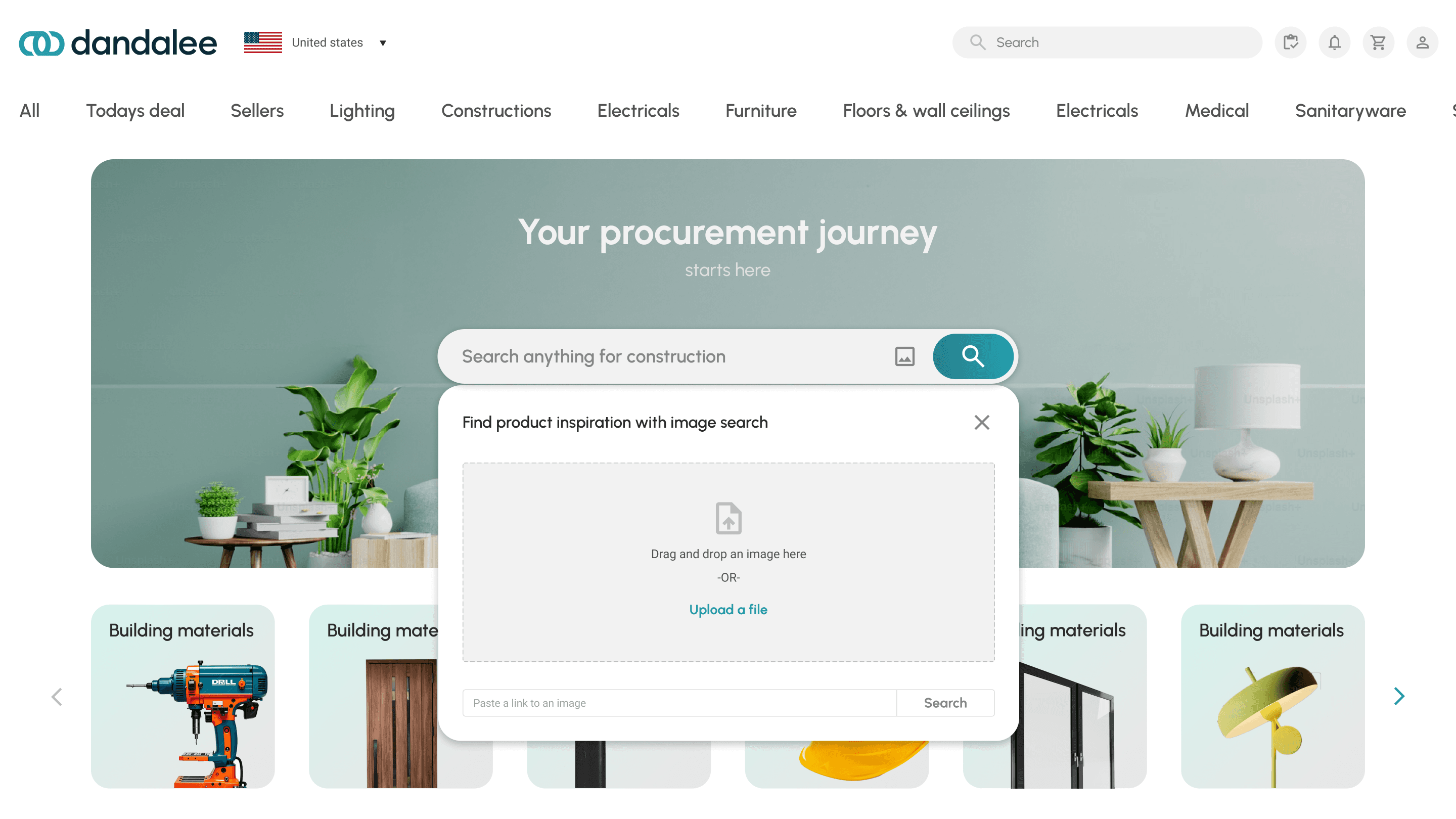
More than 90 % users rely on past data, references, product catalogs from different vendors to make new purchase. Hence added the option to search by an image or a URL
Solving for the complexity at scale
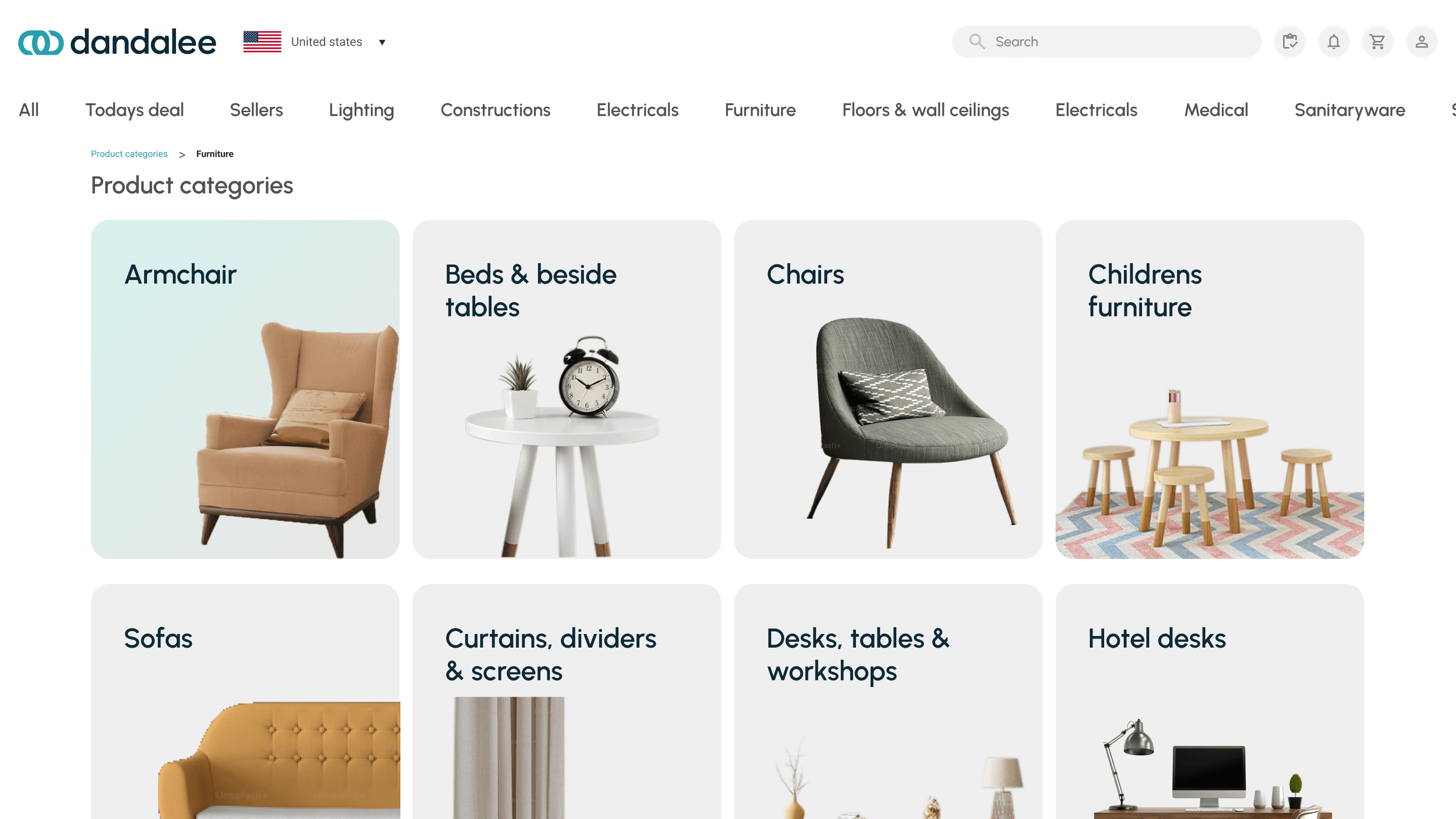
Categorization plays a critical role in narrowing down large product sets or enable them to find products in a structured way. But categorization alone isn't enough to find a product as sometimes, same product can belong to multiple categories. For example- If a user want to buy a LED strip light, he/she might look under lighting by function, ceiling by space, waterproof by spec. This led to an early assumption that improving taxonomy, filters and categorization would be key to solving discovery
Building user confidence
Finding products isn't enough. User need to feel confident in their choices. This means making comparison easy, so they can quickly understand differences between options.
Leveraging trust in sellers
Based on past history of purchase users build trust on certain sellers over time. Hence, using the already existing trust in the system to make quick and confident decision.
See glimpses of live product
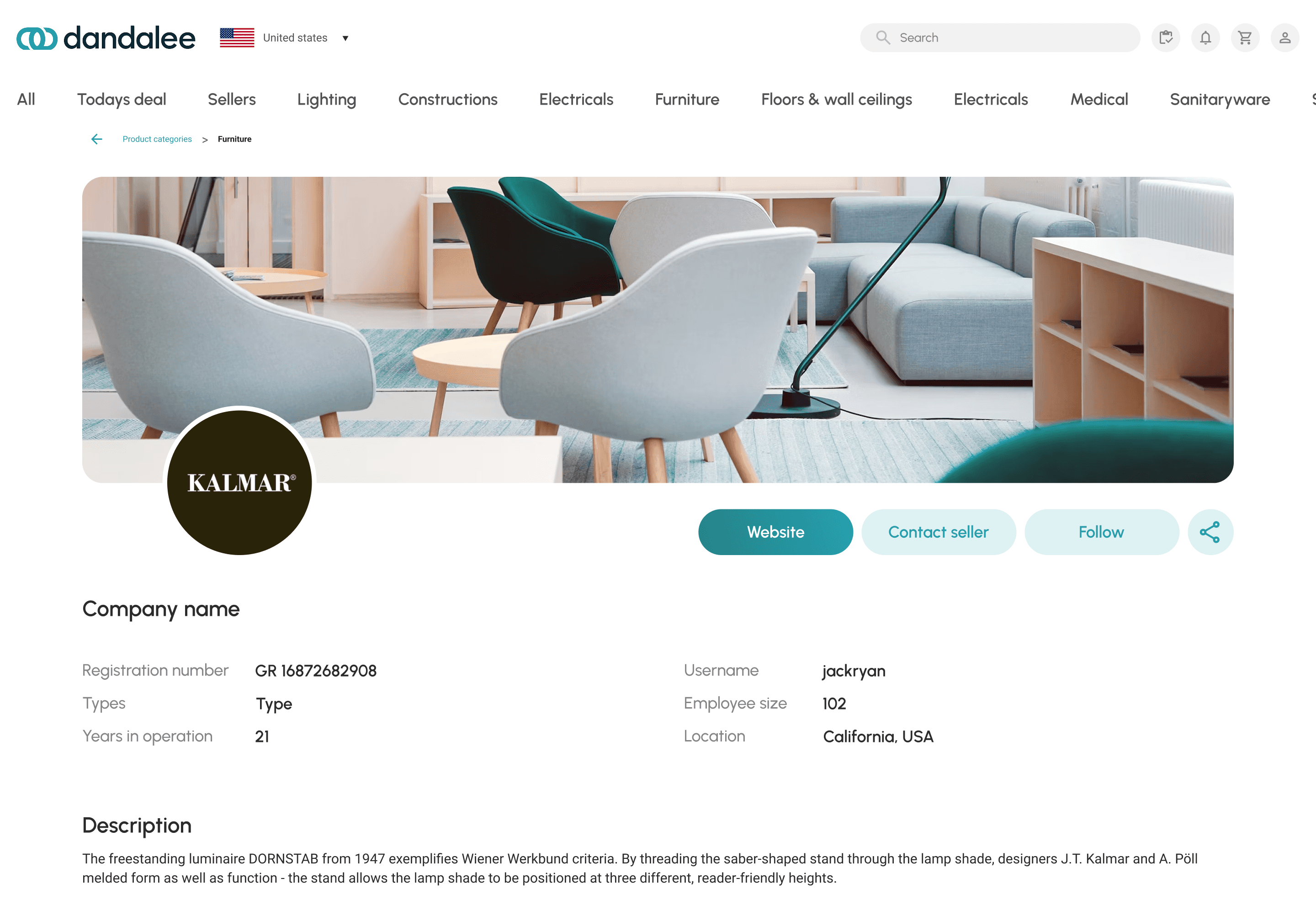
Since, its a B2B product hence only members have access to it. But still you get to see glimpses of it

Impact we made
Leveraging trust in sellers
After launch, the platform reached around 1.24 lakh monthly active users, showing strong early adoption. The experience helped reduce manual procurement effort by 30 to 40%, as users could find and evaluate options in a better way at one place. By structuring information and guiding next steps, it also led to faster decision making in product selection. Overall, this resulted in smoother and faster workflows where user could complete tasks easily.
Decisions we took after launch
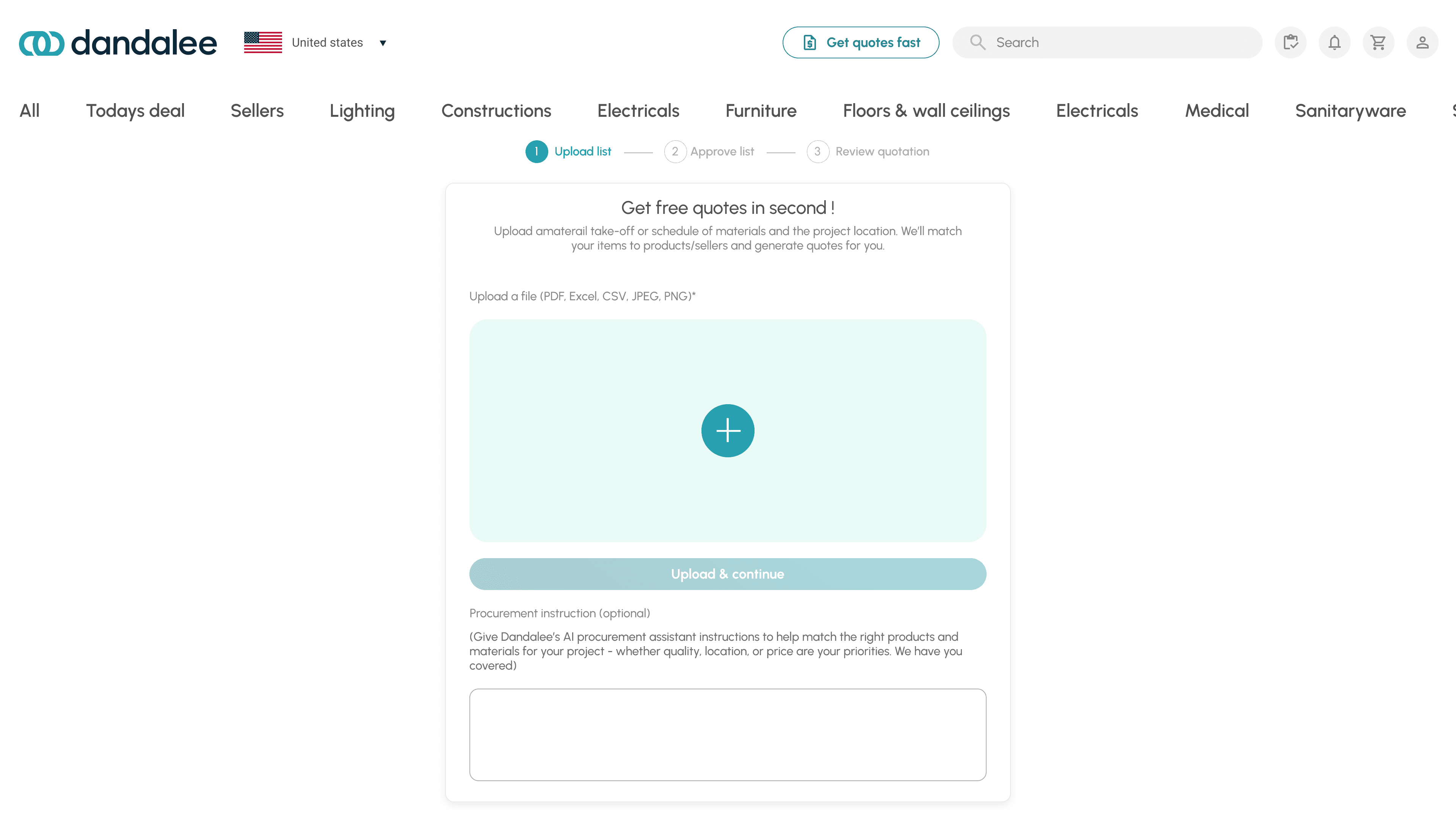
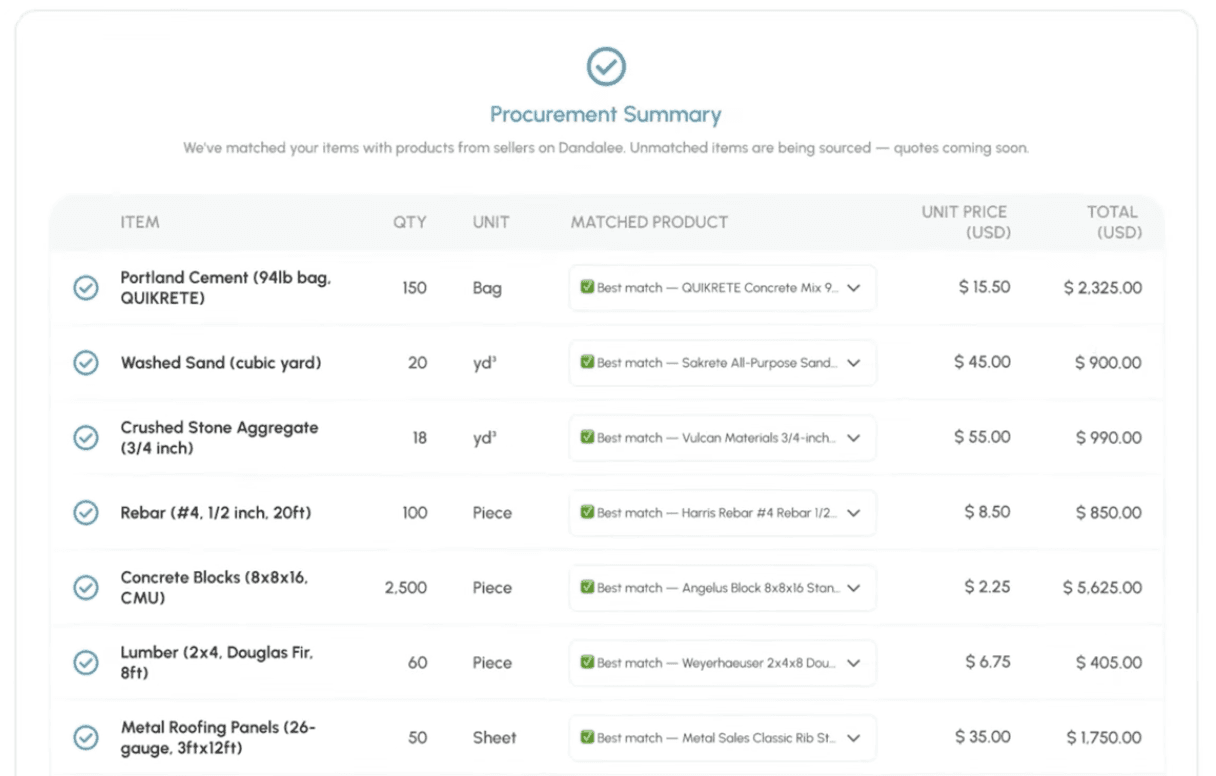
We observed that even after shortlisting products, users were still waiting a lot to take the next steps. To validate this, we gathered feedback from users and noticed a pattern where many wanted a faster way to get quotes without manually doing it as that was repetitive and time consuming. Hence, we introduced an AI-powered fast quote feature that enables user to upload product list and get quotes instantly.
More works
Hard to look away?
Understanding real user needs, balancing business goals, and applying 7+ years of product design experience helps me craft experiences like this. If you wish to create something like this, reach out to me
@Portfolio Design
Challenges and solutions
Challenges and solutions
Discovery without direction
Discovery without direction
The product taxonomy was massive and spread across countless categories, formats and vendors. It was hard to find products with a certain specification, minimum order quantity, Bill of materials, etc that were deeply nested under categories or sub-categories. As a result, navigating the product space became time-consuming and mentally demanding, particularly when users were unsure where to begin. A fraction of products & categories are shown below just to give an idea that how complex is it
The product taxonomy was massive and spread across countless categories, formats and vendors. It was hard to find products with a certain specification, minimum order quantity, Bill of materials, etc that were deeply nested under categories or sub-categories. As a result, navigating the product space became time-consuming and mentally demanding, particularly when users were unsure where to begin. A fraction of products & categories are shown below just to give an idea that how complex is it
Requirement starts
vague
Requirement starts
vague
Users usually began their product search with a functional need rather than a specific product in mind. For example, an architect working on a hospital project might know they need flooring suitable for high-traffic and sterile environments, but may not know the exact product, brand, or technical specification to search for. This made product discovery highly exploratory, requiring users to evaluate multiple options before narrowing down the right fit.
Users usually began their product search with a functional need rather than a specific product in mind. For example, an architect working on a hospital project might know they need flooring suitable for high-traffic and sterile environments, but may not know the exact product, brand, or technical specification to search for. This made product discovery highly exploratory, requiring users to evaluate multiple options before narrowing down the right fit.
Reduced manual effort
Reduced manual effort
Ordering earlier used to involve minimum 7 steps with multiple tools. Unifying the whole process seemed best to reduce manual procurement effort. So that users could find and evaluate options in a better way at one place.
Ordering earlier used to involve minimum 7 steps with multiple tools. Unifying the whole process seemed best to reduce manual procurement effort. So that users could find and evaluate options in a better way at one place.
Leveraged user behavior
Leveraged user behavior
After talking to a few users, I found out an interesting pattern that users didn't immediately added relevant products to cart even when products were available, instead they contacted vendors for confirmation
After talking to a few users, I found out an interesting pattern that users didn't immediately added relevant products to cart even when products were available, instead they contacted vendors for confirmation
Guided decision making
Guided decision making
Designing for decision-making meant going beyond just helping users find products. User often start without clear inputs, so the experience should let them explore and gradually refine what they need.
Designing for decision-making meant going beyond just helping users find products. User often start without clear inputs, so the experience should let them explore and gradually refine what they need.
Giving users right pill to prefer the platform
Giving users right pill to prefer the platform
More than 90 % users rely on past data, references, product catalogs from different vendors to make new purchase. Hence added the option to search by an image or a URL
More than 90 % users rely on past data, references, product catalogs from different vendors to make new purchase. Hence added the option to search by an image or a URL
Solving for the complexity at scale
Solving for the complexity at scale
Categorization plays a critical role in narrowing down large product sets or enable them to find products in a structured way. But categorization alone isn't enough to find a product as sometimes, same product can belong to multiple categories. For example- If a user want to buy a LED strip light, he/she might look under lighting by function, ceiling by space, waterproof by spec. This led to an early assumption that improving taxonomy, filters and categorization would be key to solving discovery
Categorization plays a critical role in narrowing down large product sets or enable them to find products in a structured way. But categorization alone isn't enough to find a product as sometimes, same product can belong to multiple categories. For example- If a user want to buy a LED strip light, he/she might look under lighting by function, ceiling by space, waterproof by spec. This led to an early assumption that improving taxonomy, filters and categorization would be key to solving discovery
Building user confidence
Building user confidence
Finding products isn't enough. User need to feel confident in their choices. This means making comparison easy, so they can quickly understand differences between options.
Finding products isn't enough. User need to feel confident in their choices. This means making comparison easy, so they can quickly understand differences between options.
Making decisions confident
Making decisions confident
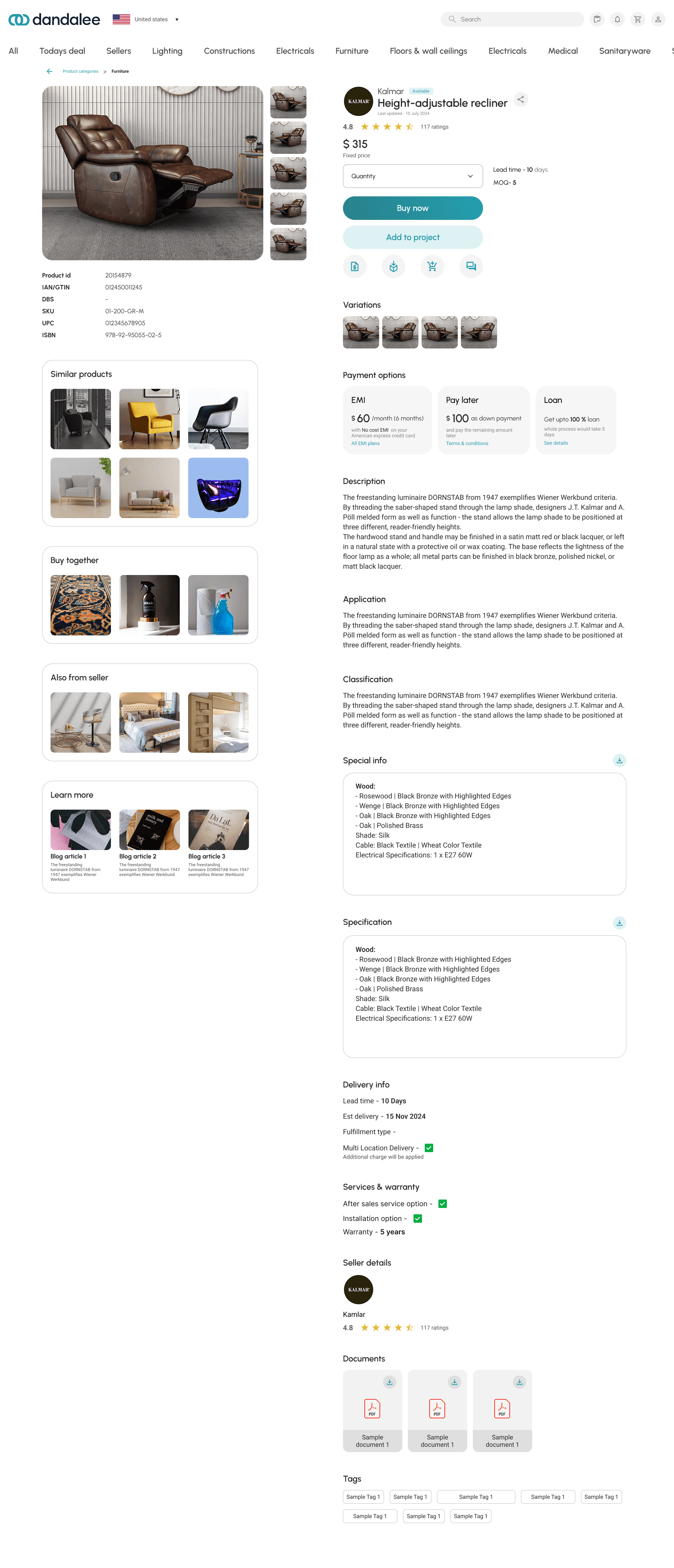
Important details like specifications, pricing, MOQ, and availability should be visible early to avoid surprises later. Bringing all of this into one place reduces the need to switch between multiple tools, helping users decide with more clarity and confidence.
Important details like specifications, pricing, MOQ, and availability should be visible early to avoid surprises later. Bringing all of this into one place reduces the need to switch between multiple tools, helping users decide with more clarity and confidence.
Leveraging trust in sellers
Leveraging trust in sellers
Based on past history of purchase users build trust on certain sellers over time. Hence, using the already existing trust in the system to make quick and confident decision.
Based on past history of purchase users build trust on certain sellers over time. Hence, using the already existing trust in the system to make quick and confident decision.
See glimpses of live product
See glimpses of live product
Since, its a B2B product hence only members have access to it. But still you get to see glimpses of it
Since, its a B2B product hence only members have access to it. But still you get to see glimpses of it
Impact
we made
Impact
we made
After launch, the platform reached around 1.24 lakh monthly active users, showing strong early adoption. The experience helped reduce manual procurement effort by 30 to 40%, as users could find and evaluate options in a better way at one place. By structuring information and guiding next steps, it also led to faster decision making in product selection. Overall, this resulted in smoother and faster workflows where user could complete tasks easily.
After launch, the platform reached around 1.24 lakh monthly active users, showing strong early adoption. The experience helped reduce manual procurement effort by 30 to 40%, as users could find and evaluate options in a better way at one place. By structuring information and guiding next steps, it also led to faster decision making in product selection. Overall, this resulted in smoother and faster workflows where user could complete tasks easily.
Decisions we took after launch
Decisions we took after launch
We observed that even after shortlisting products, users were still waiting a lot to take the next steps. To validate this, we gathered feedback from users and noticed a pattern where many wanted a faster way to get quotes without manually doing it as that was repetitive and time consuming. Hence, we introduced an AI-powered fast quote feature that enables user to upload product list and get quotes instantly.
We observed that even after shortlisting products, users were still waiting a lot to take the next steps. To validate this, we gathered feedback from users and noticed a pattern where many wanted a faster way to get quotes without manually doing it as that was repetitive and time consuming. Hence, we introduced an AI-powered fast quote feature that enables user to upload product list and get quotes instantly.